There are two main types of inflammatory bowel disease (‘IBD’); Crohn’s disease and ulcerative colitis. The number of patients affected by Crohn’s or Colitis is rising in the UK and worldwide. Treatment has changed a lot in the last 20 years and we now have several powerful injectable medications called ‘biologics’ and a new powerful tablet medication (for colitis) called tofacitinib (JAK inhibitor, JAKi).
These treatments can be very effective, but some people respond better than others and we don’t understand why. When a medication doesn’t work, a new medication may be tried but sometimes several medication changes are needed to find the right drug for an individual patient. This takes valuable time when patients are not feeling well. Some patients will experience a worsening of their condition or side effects whilst trying to find the best treatment.

We want to understand why patients respond differently to these medications so that, in the future, we can better predict which medication is most likely to work at the time when it is needed most. This is called ‘precision medicine’.

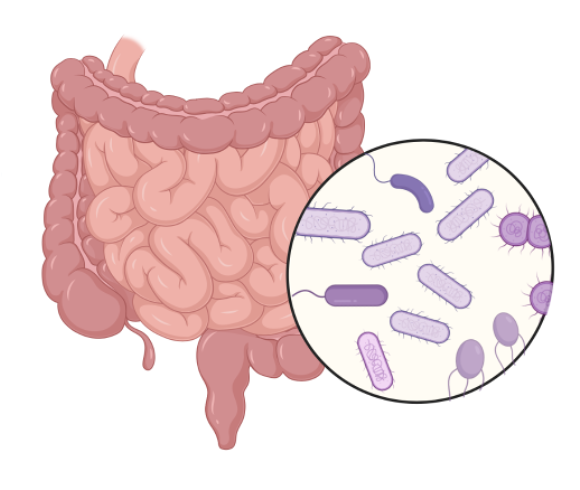
Trillions of microbes (bacteria, viruses and fungi) live inside the gut, called the ‘gut microbiome’. We think that these microorganisms affect how well IBD patients respond to treatment.
Other things that might affect how an individual responds to treatment include the person’s immune system, their genes and even the foods they eat. We plan to study all these different factors in detail as we believe this will give us the best understanding of what causes patients to respond differently to treatment.
Small research studies in people with Crohn’s and colitis have shown that certain gut bacteria in stool (faeces) may help predict who will respond or fail to respond to treatment. Therefore, it’s important that we carry out bigger studies with more patients to confirm these findings. We will recruit 1,325 patients across the UK who are starting a new advanced therapy treatment for Crohn’s or colitis.
IBD-RESPONSE: Defining microbial predictors of responsiveness to biologic therapies in Crohn’s disease and ulcerative colitis
